A month-by-month guide to wildlife, weather, and shoulder-season advantages across Kenya and Tanzania.
There Is No Bad Month — But There Are Better Ones
East Africa does not have a traditional high and low season in the way that European beach destinations do. Wildlife is present year-round. The main question is which wildlife experience matters most to you, and whether you can work around the rains.
Below is a practical guide to the calendar. We have tried to be honest about tradeoffs — the peak season months are peak for real reasons, but the shoulder months offer value and, often, a quieter experience on the ground.
January and February: Dry, Hot, and Underrated
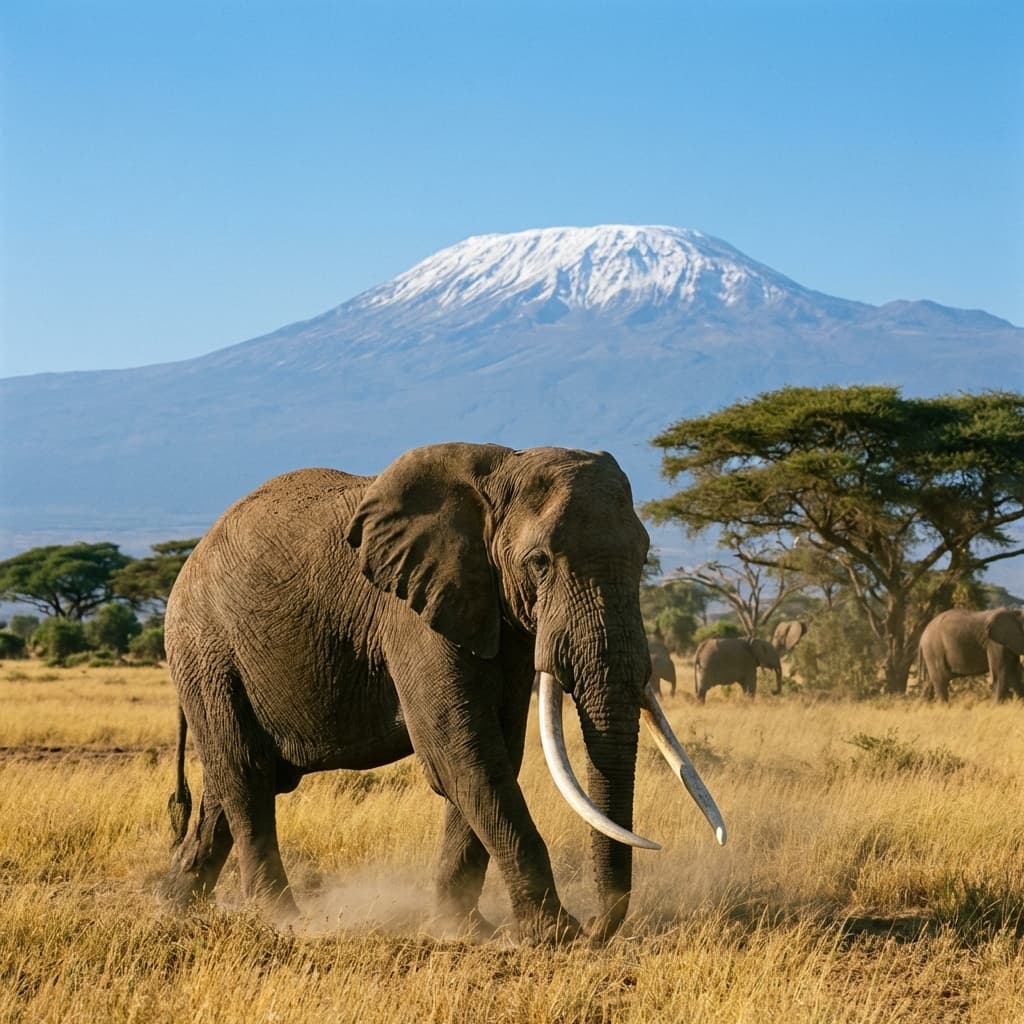
These are some of the finest months to visit Kenya. The weather is dry, the vegetation is low (making animals easier to spot), and visitor numbers are significantly down from the December holiday peak. The Amboseli plains are spectacular in January — clear skies, Kilimanjaro visible most mornings, and elephant herds congregating around the swamp.
For Tanzania, this is also calving season in the Serengeti's southern Ndutu region. Hundreds of thousands of wildebeest drop their young within a few weeks of each other — one of the most extraordinary wildlife events on the continent and still relatively unknown compared to the Migration crossing further north.
March to May: The Long Rains
Kenya's long rain season runs from March through May. The landscape turns green, the bird life is exceptional (migrants are present), and rates drop noticeably at most properties. Game viewing becomes harder — the vegetation is thick and animals are more dispersed — but for the traveller who prefers solitude and can tolerate occasional afternoon showers, this is some of the most atmospheric time in the bush.
Some camps close during this period, particularly the smaller tented ones. We advise checking access and operating status carefully if you are considering a long-rains trip. The reward, for those who do go, is a version of East Africa that most visitors never see.
We travelled in April on your advice and had the entire Mara to ourselves for three days. The grass was green, the sky was dramatic, and the predator activity was extraordinary. One of the best decisions we made.
— Client, May 2025
June to October: Peak Season
This is when the Maasai Mara earns its reputation. The Great Migration — the movement of over 1.5 million wildebeest and zebra between the Serengeti and the Mara — is at its most dramatic between July and September. The river crossings, where animals brave the Mara River in their thousands, are genuinely one of the most spectacular wildlife events on earth.
The tradeoff is demand. July, August, and September are the most expensive months. The best camps book out twelve to eighteen months in advance. If you are planning a peak-season trip, we strongly recommend starting the conversation early — ideally a year ahead, particularly for private conservancy properties and fly camps.
June and October offer nearly identical conditions with meaningfully less pressure on availability and rates. For clients with flexibility, either of these months is our first recommendation.
November to December: The Short Rains and Festive Season
The short rains run through November into early December. Conditions are similar to the long rains but usually shorter in duration — a few hours of rain each day rather than all-day weather. Game viewing remains good and the bush is verdant.
Mid-December through early January is a second peak — the festive season brings significant demand. Properties at Diani Beach and Zanzibar fill quickly. If you are planning a Christmas or New Year trip, December bookings should be secured by July at the latest.
Our Honest Recommendation
For first-time visitors who want reliable weather and strong game viewing without the peak-season crowds: June or October in Kenya. For travellers who have done the Mara and want something different: January in Amboseli or February in the Serengeti for calving season.
For coast extensions, the Indian Ocean is swimmable year-round. Zanzibar's best conditions run June through October — the same window as the safari high season, which makes combining the two very natural.
Every itinerary starts with your dates and what matters most to you. Tell us when you're thinking of travelling and we'll tell you honestly what to expect.